Deep Dive
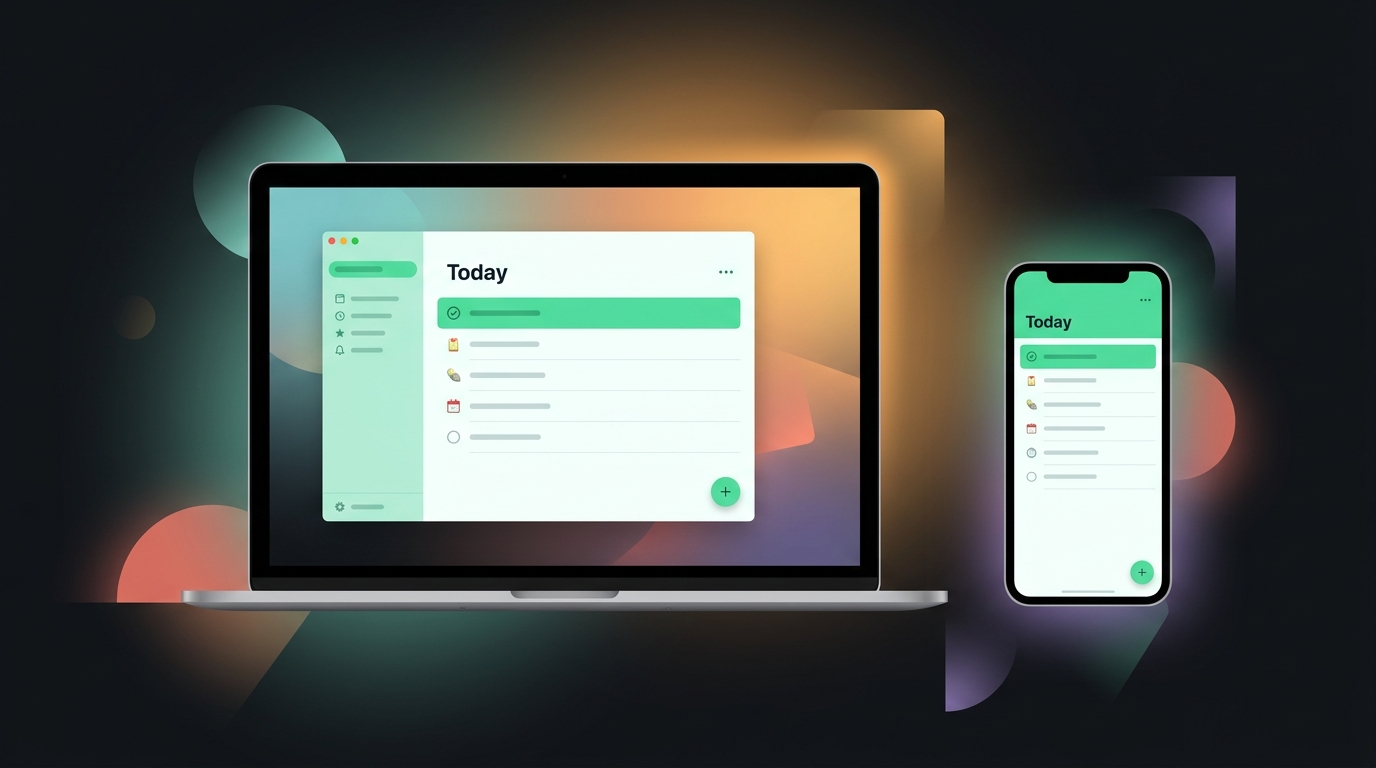
Deep dive: Things 3 as a daily planning ritual
Today view, areas, and the light-touch setup that makes Things stick for Apple households—without rebuilding GTD in software.
Today view, areas, and the light-touch setup that makes Things stick for Apple households—without rebuilding GTD in software.
Two media servers for your own files—Jellyfin stays local-first; Plex wants accounts and has more polish.
The two password managers most people actually shortlist—polish and family UX vs open core and price.
Mac launchers compared—Raycast is the hot modern stack; Alfred is the scriptable veteran. Pick by how deep you want to go.
Two modern read-it-later apps—Omnivore is free and feed-friendly; Matter is polished and newsletter-centric.
The two OG read-it-later apps—one owned by Mozilla's orbit, one independent—compared for queue guilt and clean reading.
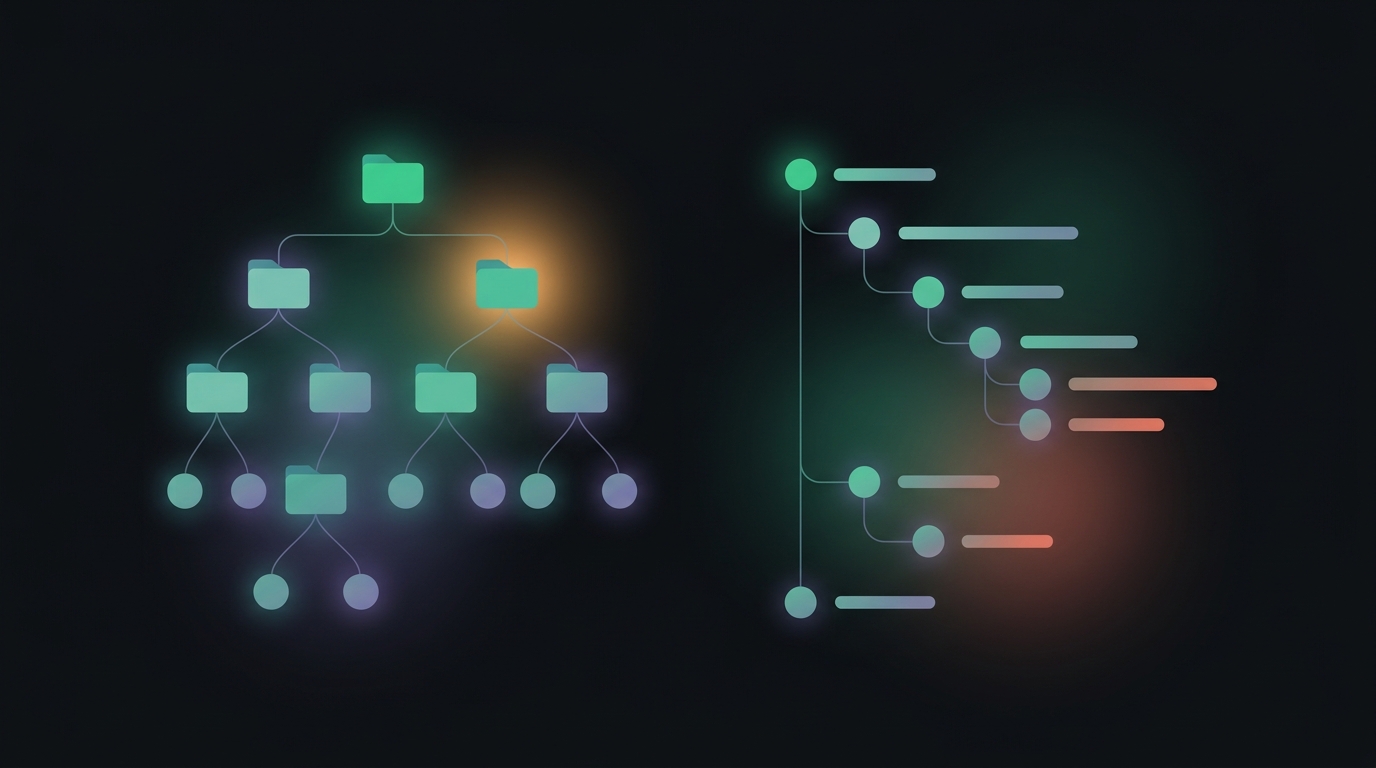
Two Markdown-first note apps with links—but Obsidian is a vault of files and Logseq is a graph journal with bullets.
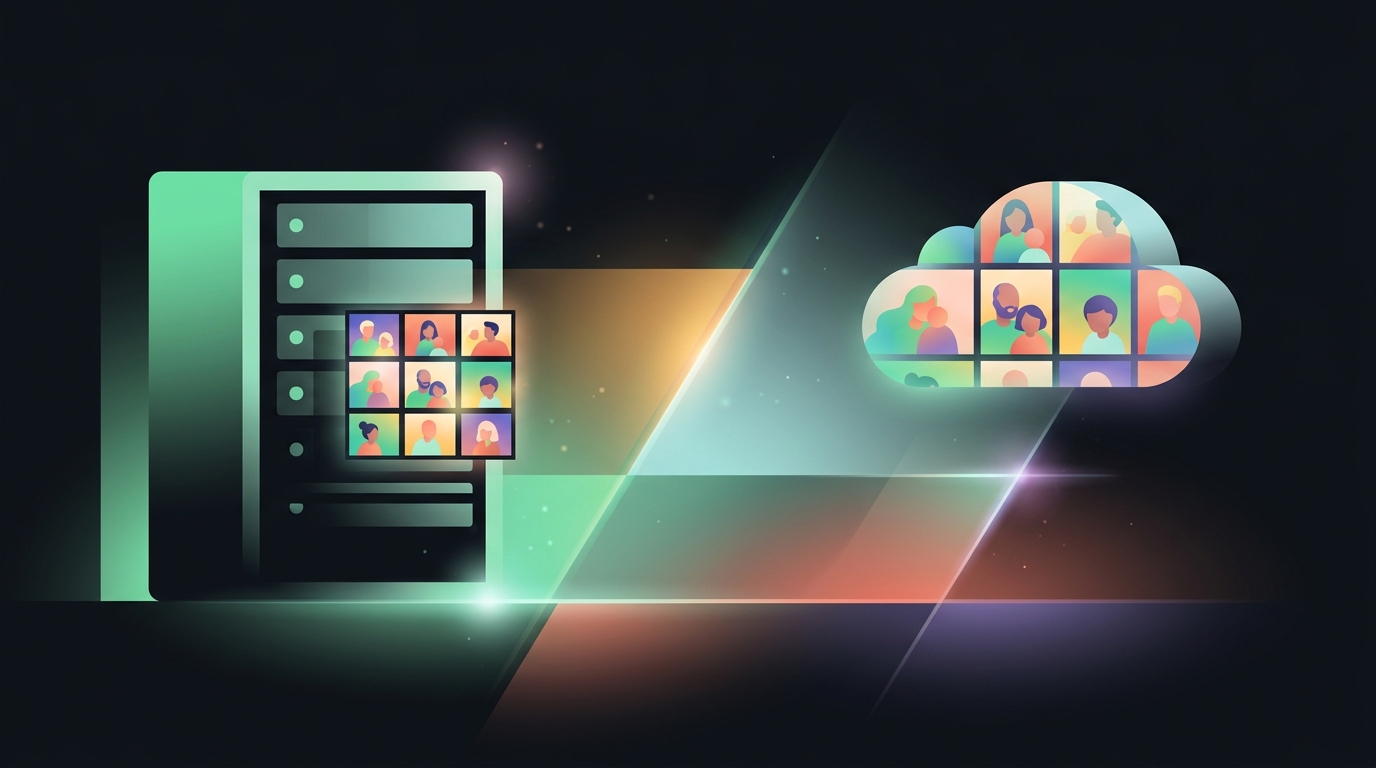
Self-hosted photo backup with Immich—or stay on Google Photos and accept the storage and privacy tradeoffs.
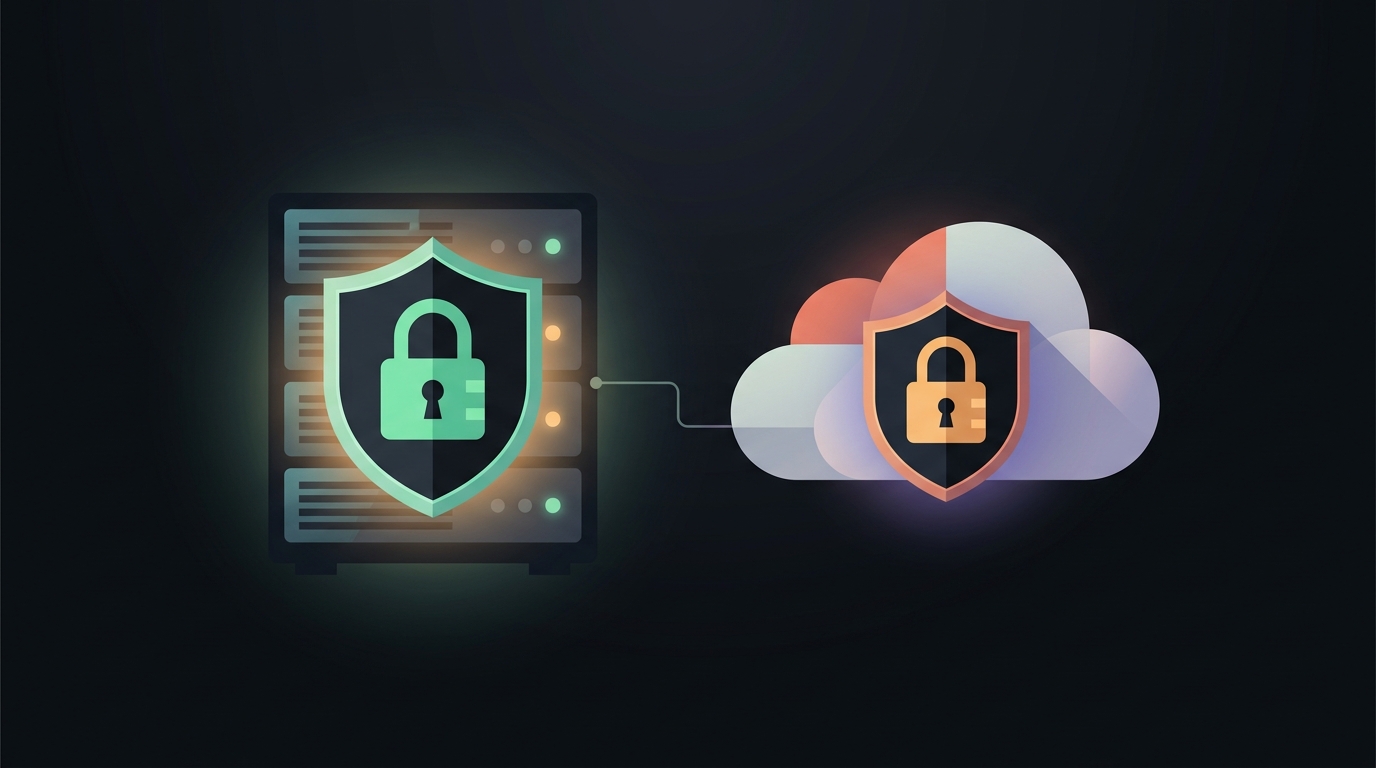
Same apps, different vault location—self-host on a cheap server or pay Bitwarden to run it for you.