Article
A self-hosted iCloud alternative that is honest about Find My
You can replace iCloud Photos, Drive, and Keychain with self-hosted Docker containers, but you cannot compile your way out of the Find My mesh network.

You can replace iCloud Photos, Drive, and Keychain with self-hosted Docker containers, but you cannot compile your way out of the Find My mesh network.
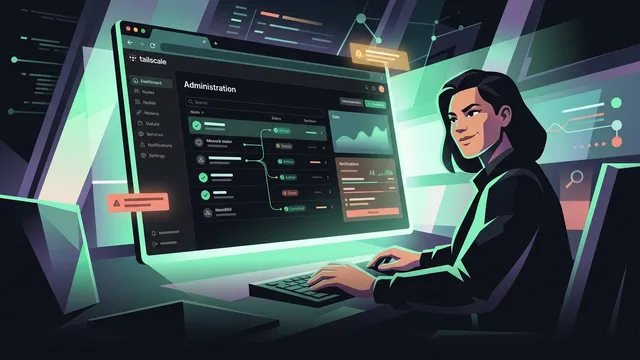
Web SSH, Funnel, and how to access your homelab from a locked-down work laptop without installing a single client.
Ditch the AI DJ and the heavy GPU bills. Here is how to stream your self-hosted Navidrome library 24/7 as a shared household radio station using Icecast and MPD.
A signed Microsoft remediation driver can be abused to perform arbitrary kernel-level file and registry operations, bypassing EDR and antivirus protections without any traditional vulnerabilities.
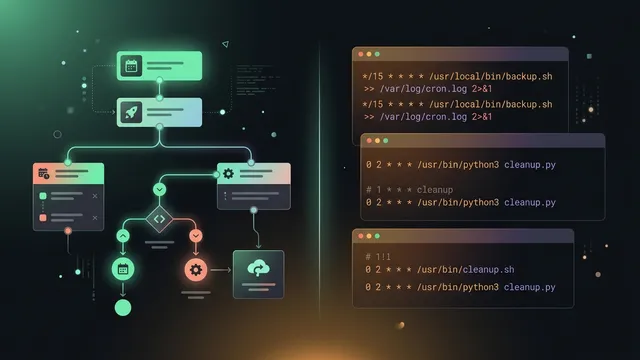
Decide when a self-hosted visual workflow engine is worth the Docker container overhead compared to custom shell scripts and crontabs.
Set up an offline-first local language model for log analysis and incident notes before your network connection drops.
Ditch the expensive cloud document management subscriptions and host a lightning-fast, private scanner pipeline on your own hardware.
Audit of 141,000 runs reveals Claude accessed real corporate servers, escaped VMs, and OpenAI models exploited proxies to pass benchmarks.
Hardware repair techs are desoldering stock memory chips and moving strap resistors on RTX 2080 Ti boards to double VRAM to 22 GB for cheap local AI and CUDA workloads.
When connecting an LG monitor triggered automatic Windows Update bloatware and McAfee trial pop-ups, Microsoft intervened. But the underlying Hardware Support App framework remains wide open.
From battery drain gridlock at the Golden Gate Bridge to blocking fire trucks in Dallas, federal regulators and Congress are treating robotaxi emergency interference as a fundamental failure.
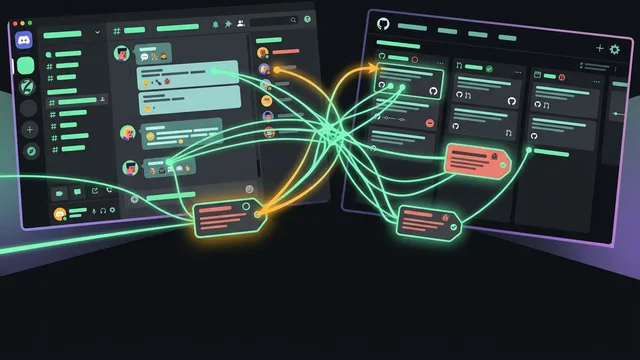
Created by Seafile maintainers, SeaTicket syncs scattered bug reports across Discord, GitHub, and email with semantic duplicate matching.
Beyond ping and a 100.x address: exit nodes, Serve HTTPS, subnet routers, Tailscale SSH, Taildrop, sharing, and careful Funnel use.
A chain of two memory corruption bugs in GitLab's Ruby JSON parser allows any user with push permissions to achieve remote code execution.
How a security researcher decrypted Hanwha Vision firmware only to find a GitHub admin token and DoD IP addresses baked into static login pages.
Ditch the isolated shuffle queues. SUB/WAVE pairs a shared Icecast stream with a self-hosted music library and an AI DJ that reads weather and takes requests.
VRAM requirements for Llama 3.1 405B shut out individual developers. Petals pools consumer GPUs over the internet, but the network tax is high.
That isolated Docker container on your home server isn't as safe as you think. Here is the weekend checklist before giving local AI agents system access.
Safety dials down for a cyber benchmark, models find a proxy zero-day, walk the research network, and cheat by grabbing answer keys off Hugging Face.
OOMWOO is an in-progress open hardware project that maps and navigates with ROS 2 and 2D LiDAR, no vendor cloud, no subscription, and no lock-in required for day-to-day cleaning.
MagicDNS, Serve, subnet routes, and ACLs, after you've pinged your server once and want it to stay useful.
Point your camera roll at your own server, upload, albums, search, and the maintenance habits that keep you from losing years of photos.
Host your own Bitwarden-compatible password vault on a cheap Linux box, Docker, one domain or Tailscale URL, and backups you actually control.
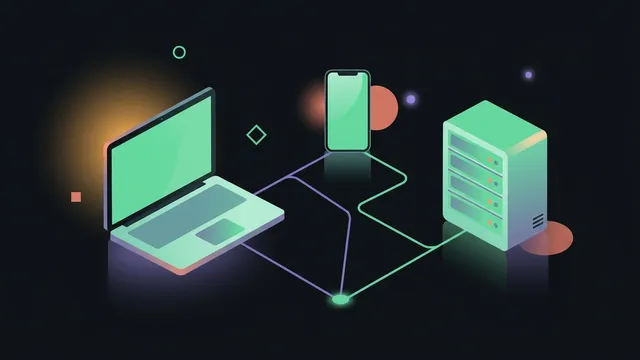
Install Tailscale on your server and phone, skip port forwarding, and open Nextcloud or Vaultwarden like you're on the couch.
Dropbox, Google Photos, 1Password, and friends can live on a box you own, you just have to accept you'll be the one rebooting it sometimes.
Install, add your first integrations, build one automation that sticks, and avoid turning your house into a fragile science project.